
Explore the 9th‑edition Wade Simek solutions manual, a concise guide that complements the organic chemistry text. It offers clear, step‑by‑step explanations, key concepts, and practice problems to reinforce learning and build confidence in tackling complex reactions. Ideal for students seeking deeper insight and exam preparation. Now
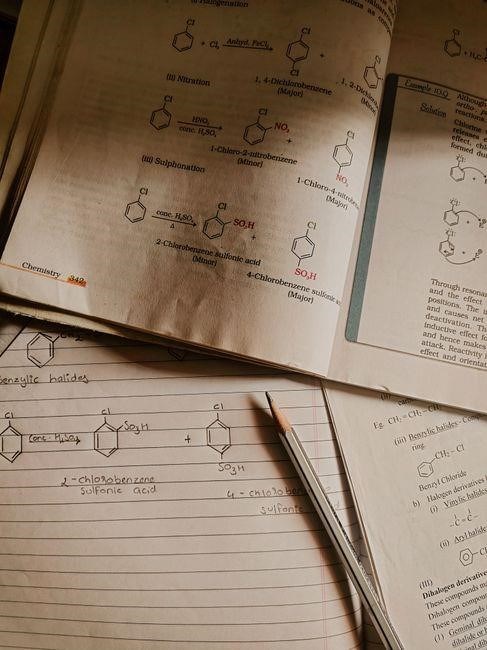
Overview of Wade Simek’s 9th Edition
The 9th‑edition Wade Simek solutions manual delivers concise, authoritative explanations that align with the textbook’s structure. It highlights essential concepts, offers illustrative examples, and provides practice problems to deepen understanding of organic chemistry fundamentals. It also offers tables for quick reference yet now and notes.
Key Features and Updates
The 9th‑edition Wade Simek solutions manual introduces several enhancements that streamline learning and reinforce core concepts. First, the answer key is now organized chapter‑by‑chapter, mirroring the textbook’s layout so that students can easily locate solutions to specific problems. Each solution includes a concise statement of the correct answer followed by a detailed, step‑by‑step derivation that highlights the underlying principles and common pitfalls. Second, the manual incorporates updated reaction mechanisms and nomenclature that reflect the latest IUPAC recommendations, ensuring that students are working with current standards. Third, a new “Quick‑Reference” sidebar appears on every page, summarizing key equations, reaction conditions, and stereochemical rules for rapid consultation during study sessions. Fourth, the manual features a “Common Mistakes” section for each chapter, where frequent errors are identified and corrected, helping learners avoid recurring misconceptions. Fifth, the solutions now include optional “Challenge Problems” that extend beyond the textbook assignments, encouraging deeper exploration of advanced topics. Finally, the manual is fully compatible with the accompanying online learning platform, allowing students to cross‑reference digital resources and track progress. Together, these updates provide a comprehensive, user‑friendly tool that supports mastery of organic chemistry fundamentals and exam readiness.
Additionally, the manual offers a “Self‑Assessment” quiz at the end of each chapter, featuring multiple‑choice and short‑answer questions that test comprehension and application of the material. These quizzes mirror the style of final examinations, providing realistic practice scenarios. The manual also includes a “Glossary of Key Terms” that defines essential vocabulary in concise, student‑friendly language, aiding quick reference and reinforcing terminology retention. For instructors, the manual offers a “Teaching Guide” appendix that outlines suggested discussion points, common student misconceptions, and strategies for effective classroom implementation. It also helps students master challenging reaction mechanisms quickly fast. Use it daily. For success.?

Benefits of Using the Solutions Manual
Using the 9th‑edition Wade Simek solutions manual boosts confidence by providing clear, step‑by‑step explanations, immediate feedback, and targeted practice. It deepens conceptual understanding, sharpens problem‑solving skills, and prepares students for exams. Great study aid. Now!?
Enhancing Problem‑Solving Skills
By dissecting each problem step by step, the Wade Simek solutions manual trains students to identify key reaction mechanisms, functional groups, and stereochemical outcomes. The manual’s systematic approach encourages active learning: students first attempt a solution, then compare with the detailed explanation, noting any gaps in reasoning. This iterative process builds confidence and reduces reliance on rote memorization;
Key features include:
- Clear, concise explanations that highlight the underlying principles driving each reaction.
- Illustrations of common pitfalls, helping students avoid common misconceptions.
- Progressive difficulty, allowing learners to master foundational concepts before tackling more complex mechanisms.
- Embedded practice questions that reinforce the material immediately after the solution.
Because the manual aligns closely with the textbook’s structure, students can seamlessly integrate the solutions into their study routine. By reviewing the solutions after completing the corresponding textbook exercises, learners reinforce their understanding and develop a deeper appreciation for the logical flow of organic chemistry. This methodical practice not only improves exam performance but also equips students with transferable analytical skills useful in research and industry settings.
Students who consistently engage with the solutions develop a habit of critical thinking, allowing them to anticipate reaction outcomes and troubleshoot errors before they arise. This proactive fast approach not only strengthens exam readiness but also builds a solid foundation for new courseworkand research projects.

Structure of the Manual
The manual follows the textbook’s chapter layout, offering solutions in a parallel structure. Each chapter begins with a concise summary, followed by detailed step‑by‑step explanations for every exercise. This organized format ensures students can easily locate and review specific problems. This format boosts confidence and mastery!!!
Organization by Chapters
The solutions manual is organized exactly in line with Wade Simek’s 9th‑edition textbook, ensuring that every exercise has a corresponding answer page. Each chapter starts with a concise summary of the core concepts, followed by a numbered list of solutions that mirror the textbook’s problem set. This parallel layout lets students locate the answer to a specific question without flipping back and forth between pages. The manual covers all 30 chapters, from basic principles to advanced topics such as aromatic chemistry, stereochemistry, and spectroscopic analysis. Within each chapter, solutions are grouped by exercise number and broken into clear sub‑steps for multi‑step problems. For instance, a mechanism that requires drawing arrows, proposing intermediates, and predicting products is divided into labeled stages, each accompanied by explanatory text and, where useful, diagrams. At the end of each chapter, a summary table lists the main reaction types, common pitfalls, and mnemonic aids. This systematic structure not only reinforces learning but also provides a reliable study resource that follows the textbook’s pedagogical flow. By adhering to a chapter‑by‑chapter format, students can build confidence, master foundational concepts, and progress to more complex material. The consistency of the layout also makes it easier for instructors to integrate the manual into lesson plans, offering a dependable reference for both students and educators alike.

Students can also use the manual’s color‑coded sections to quickly identify the type of solution—mechanistic, quantitative, or conceptual—making review sessions more efficient and focused.
It supports mastery confidence !

Sample Solutions and Worked Examples
The manual presents detailed solutions for selected problems, illustrating each step from reaction setup to final answer. Worked examples highlight key concepts, common mistakes, and alternative strategies, enabling students to internalize mechanisms and improve problem‑solving skills. Clear logic and stepwise reasoning aid mastery!
Step‑by‑Step Approaches
In the solutions manual, each problem is broken down into a logical sequence that guides the learner from the initial question to the final answer. The first step is to identify the core chemical concept—whether it involves nucleophilic substitution, electrophilic addition, stereochemistry, or equilibrium analysis. By isolating the concept, students can focus on the relevant rules and patterns.
Next, the manual encourages the use of a systematic approach: list all reagents, determine the reaction conditions, and sketch the mechanism or pathway. This stepwise mapping helps prevent overlooking critical intermediates or side reactions. The solutions then illustrate how to apply the correct nomenclature and naming conventions, reinforcing the connection between structure and reactivity.

After establishing the pathway, the manual guides the student through the calculation or reasoning required. For quantitative problems, each algebraic step is shown, with clear justification for each transformation. For qualitative questions, the reasoning is broken into bullet points that explain why a particular product is favored.
Finally, the solutions include a concise summary that highlights the key takeaway: the principle that governed the outcome. By following these step‑by‑step approaches, learners develop a disciplined method for tackling complex organic chemistry problems.
Students practice reverse logic: begin with the target product, then identify necessary reagents and conditions. This reverse‑engineering sharpens analytical thinking and uncovers hidden patterns not obvious in forward calculations; Consistent practice reinforces core concepts.Keep going!!!

Tips for Effective Study with the Manual
Use the manual as a supplement, not a crutch. Review each solution, then attempt the problem independently. Highlight key steps, create flashcards, and schedule regular review sessions to reinforce concepts. Collaborate with peers for discussion. Track progress weekly and adjust plans.!!!??
Integrating with Course Materials
Align the solutions manual with lecture notes, textbook chapters, and laboratory reports to create a cohesive study framework. Begin each week by reviewing the syllabus and identifying the key learning objectives for the upcoming topics. Use the manual’s step‑by‑step solutions as a reference when working through assigned problems, ensuring that you understand the underlying principles rather than merely copying answers.
When preparing for exams, cross‑check the solutions with the instructor’s grading rubric to confirm that the reasoning matches the expected answer format. Create a master index that links each problem number to its corresponding solution page, and annotate the index with brief notes on common pitfalls or alternative methods.
Incorporate active learning techniques: after studying a solution, pause to predict the outcome of a similar problem, then verify your prediction against the manual. Discuss challenging problems in study groups, using the manual as a shared resource to explain concepts to peers. This collaborative approach reinforces your own understanding and exposes you to different problem‑solving strategies.
Finally, schedule regular review sessions that revisit previously solved problems. This spaced repetition helps solidify long‑term retention and ensures that you can apply concepts flexibly across different contexts. By systematically integrating the solutions manual with all course materials, you build a robust knowledge base that supports both mastery and confidence in organic chemistry.
Remember to revisit the solutions after each test to reinforce retention and track progress,!

Potential Pitfalls and Ethical Considerations
While the solutions manual offers a wealth of guidance, misuse can undermine learning. Relying on ready answers without attempting the problem first erodes critical thinking and problem‑solving skills. Students may develop a habit of shortcutting, which can be detrimental during exams where solutions are not available.
Ethically, distributing or sharing the manual’s content in violation of copyright laws is prohibited. Using the manual to cheat on assignments or exams breaches academic integrity policies and can result in disciplinary action. Institutions often have strict guidelines that forbid the use of full solutions during assessments.
Another pitfall is over‑dependence on the manual’s explanations, which may not align with the instructor’s emphasis or the course’s specific focus. Misinterpretation can lead to misconceptions that persist into advanced topics. It is advisable to use the manual as a supplementary tool, cross‑checking explanations with lecture materials and textbook references.
To mitigate these risks, students should adopt a disciplined approach: first attempt each problem independently, then consult the manual for verification and deeper insight. This strategy preserves academic integrity while maximizing the manual’s educational value.
Educators should monitor how the manual is utilized, ensuring that it supplements rather than replaces original problem‑solving practice. Institutions can provide guidelines that encourage reflective learning: after reviewing a solution, students should explain the reasoning in their own words identify approaches.This practice reinforces conceptual understanding and deters overreliance on a manual