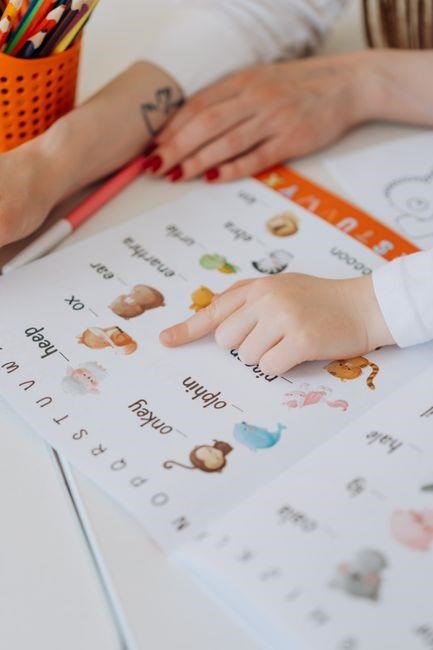
Overview of Phonics From A to Z PDF
Explore the comprehensive guide that maps letter sounds, blends, and decoding strategies in a structured, step‑by‑step format. It offers engaging activities, printable worksheets, and clear progress checkpoints, making it a valuable resource for teachers and learners alike. pdf available for classroom use

Alignment with National Literacy Standards
The “Phonics from A to Z” PDF aligns with the Common Core State Standards (CCSS) for Reading, specifically the phonological awareness, phonics and word recognition strands. It systematically introduces letter‑sound correspondences, blends, digraphs, and vowel‑team patterns that mirror CCSS K‑5 phonics benchmarks. The resource’s scaffolded lessons support early readers in decoding, decoding strategies, and fluency, directly addressing CCSS 4.RF.3.1 and 4.RF.3.2. Additionally, the PDF incorporates explicit instruction, guided practice, and independent activities that satisfy the CCSS requirement for “explicit, systematic instruction” in phonics (CCSS.ELA-LITERACY.RF.4.1). By integrating assessment checkpoints and progress monitoring tools, the guide ensures that instruction remains responsive to the CCSS emphasis on data‑driven decision making. Educators can use the downloadable worksheets to reinforce CCSS-aligned phonics objectives, while the digital format facilitates easy integration into blended learning environments. This alignment not only meets state standards but also supports national literacy initiatives that prioritize early decoding skills as a foundation for reading comprehension and academic success.
Teachers can integrate the PDF into unit plans, aligning each phonics lesson with state benchmarks and using the included progress checklists to tailor instruction. The resource’s objectives and evidence‑based practices support consistent, measurable growth in decoding and fluency across grade levels.
Core Phonics Concepts Covered
The PDF systematically presents the foundational phonics elements essential for early reading mastery. It begins with letter‑sound correspondence, detailing each alphabet letter’s short and long phoneme and providing visual and auditory cues for recognition. Next, the guide explores consonant blends (e.g., “bl,” “st,” “gr”) and digraphs such as “ch,” “sh,” “th,” and “wh,” illustrating how two letters combine to produce a single sound. Vowel teams and patterns—including “ai,” “ea,” “oa,” “oo,” and “ou”—are introduced with example words and decoding strategies. The resource also covers silent letters (e.g., “k” in “knight,” “b” in “thumb”) and the common “e” rule that lengthens preceding vowels. Additionally, the PDF addresses phoneme‑grapheme mapping, chunking, and the use of context clues for word meaning. It integrates multisensory activities that reinforce phonics through sight, sound, and tactile engagement. Each concept is paired with practice exercises, guided reading prompts, and assessment checkpoints to ensure mastery before progression. This comprehensive coverage equips teachers to deliver consistent, evidence‑based phonics instruction that aligns with national literacy standards.
Instructional Strategies for Early Readers
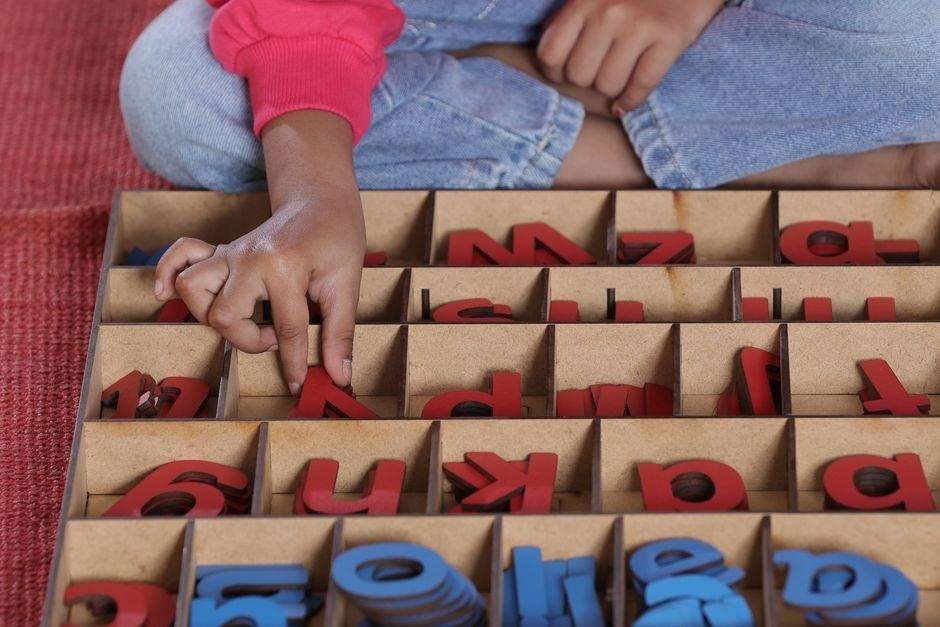
Early‑reader instruction in the PDF emphasizes a scaffolded, multisensory approach that blends explicit phonics teaching with engaging, student‑centered activities. First, teachers introduce letter‑sound relationships through visual cues, tactile tracing, and rhythmic chant drills, ensuring that each symbol is linked to its auditory counterpart. Next, the guide recommends short, focused practice blocks—often 5‑10 minutes—where students decode simple CVC words, then progressively add vowel teams and blends. Structured “read‑write‑say” cycles reinforce decoding: students read a word, write it, and say the sound aloud, solidifying the grapheme‑phoneme link. The PDF also highlights the importance of “chunking” multisyllabic words into manageable phoneme units, using color‑coded markers or sticky notes to isolate sounds. Interactive games such as “phoneme bingo,” “sound‑matching cards,” and “word‑building stations” are suggested to maintain motivation while reinforcing phonics rules. Teachers are encouraged to model fluent reading, pause for decoding decisions, and provide immediate corrective feedback. The resource stresses the use of differentiated pacing: while some learners master CVC words quickly, others may need repeated exposure to consonant blends or vowel digraphs. Finally, the PDF recommends integrating technology—audio recordings, interactive phonics apps, and printable PDF worksheets—to extend practice beyond the classroom, ensuring consistent reinforcement and progress tracking.
Assessment is woven into lessons through oral checks and the PDF’s progress‑monitoring checklists, allowing teachers to record decoding accuracy and inform instruction.

Sample Worksheets and Activities
Phonics From A to Z PDF offers a variety of printable worksheets that target key phonics skills such as letter recognition, consonant blends, vowel teams, and word families. Each sheet features clear headings, bold lettering, and step‑by‑step instructions, making it easy for teachers to use in daily lessons. For instance, the “Alphabet Letter Recognition” worksheet presents a color‑coded chart where students trace each letter while hearing its sound, reinforcing visual and auditory memory. The “Consonant Sound Mastery” activity lists short words that highlight common digraphs like “sh,” “ch,” and “th,” and asks students to underline the target sound before reading aloud. The “Vowel Patterns and Blend Instruction” sheet guides learners through CVC words, vowel teams such as “ai” and “ea,” and blends like “bl” and “cl,” ending with a quick self‑check for decoding accuracy.daily. The PDF includes games and interactive tasks. The “Multisensory Learning Activities” set invites students to use manipulatives—letter tiles, magnetic letters, and sand trays—to assemble words, reinforcing phoneme‑grapheme relationships. Progress Monitoring Checklists allow teachers to track growth, noting strengths and areas needing reinforcement. Supplementary digital tools, such as printable PDF download links and audio files, are also provided, enabling a learning environment that supports learning styles and keeps students motivated throughout the phonics journey. Teachers can adapt these activities, incorporating real‑life contexts and providing feedback to reinforce learning.

Digital Resources and PDF Downloads

Phonics From A to Z PDF is freely accessible through the Internet Archive, where users can download the full guide in PDF format. The archive provides two distinct versions: the 2021 edition (urn:oclc:record:1280874289) and the 2010 edition (urn:oclc:record:1036779147). Both editions include comprehensive phonics worksheets, lesson plans, and assessment tools. Teachers can click the “PDF” link to view the document online or save it for offline use. In addition to the core PDF, supplementary resources such as EPUB files and audio recordings are available, allowing educators to create multimodal lessons. The downloadable PDF contains interactive activities, including alphabet letter recognition charts, consonant sound mastery exercises, vowel pattern drills, and multisensory learning tasks. Each activity is designed to be printed or displayed on a classroom screen, with clear instructions and answer keys. The resource also offers a progress monitoring checklist that can be printed and used to track student growth over time. By leveraging the free PDF download, teachers can integrate the Phonics From A to Z curriculum into their lesson plans, ensuring alignment with national literacy standards and providing students with a structured, evidence‑based approach to phonics instruction.
Students can also access the PDF through the publisher’s website, where a quick search for “Phonics From A to Z” yields a direct link to the downloadable file. The file is optimized for both desktop and mobile viewing, ensuring that teachers and learners can access the material from laptops, tablets, or smartphones. The PDF includes hyperlinks to related resources, such as printable flashcards and interactive quizzes, which can be embedded into lesson plans. Because the file is licensed under a Creative Commons agreement, it can be shared freely among educators, provided attribution is given. This open‑access model encourages collaboration and the sharing of best practices across schools and districts.
To support differentiated instruction, the PDF offers a tiered set of activities ranging from basic letter‑sound matching for emergent readers to advanced blending drills for students ready for fluency. Teachers can copy and paste sections into Google Slides or PowerPoint, then add voice recordings or animations to enhance engagement. The PDF also contains a glossary of phonics terminology, ensuring that both novice and experienced educators have a common reference point. By downloading the PDF, educators gain a comprehensive toolkit that aligns with early reading standards and can be adapted to meet diverse classroom needs. Free resources.

Assessment and Progress Monitoring Tools
Phonics From A to Z PDF offers a robust suite of assessment and progress monitoring tools designed to align with national literacy benchmarks. The downloadable PDF includes a detailed progress‑monitoring checklist that educators can print and use to track individual student growth across key phonics milestones. Each checklist item is paired with a concise scoring rubric, enabling quick, objective evaluation of skills such as letter‑sound recognition, blending accuracy, and decoding fluency. In addition to the checklist, the PDF provides a collection of printable assessment worksheets that cover consonant‑sound matching, vowel‑pattern identification, and multisensory blending drills. These worksheets come with ready‑made answer keys, allowing teachers to grade efficiently and provide immediate feedback. For formative assessment, the guide recommends short, timed decoding tasks that can be administered daily; the PDF supplies sample scripts and timing guidelines. The resource also includes a set of diagnostic quizzes that can be used to identify specific phonics gaps before instruction begins. All assessment materials are formatted for easy printing or digital display, and the PDF’s hyperlinks enable teachers to quickly navigate between related worksheets and instructional sections. By integrating these tools into lesson plans, educators can monitor progress in real time, adjust instruction, and celebrate student achievements with data‑driven confidence. pdfTeachers can share these PDFs with parents to support reading.!
Teacher Guidance and Lesson Planning Tips
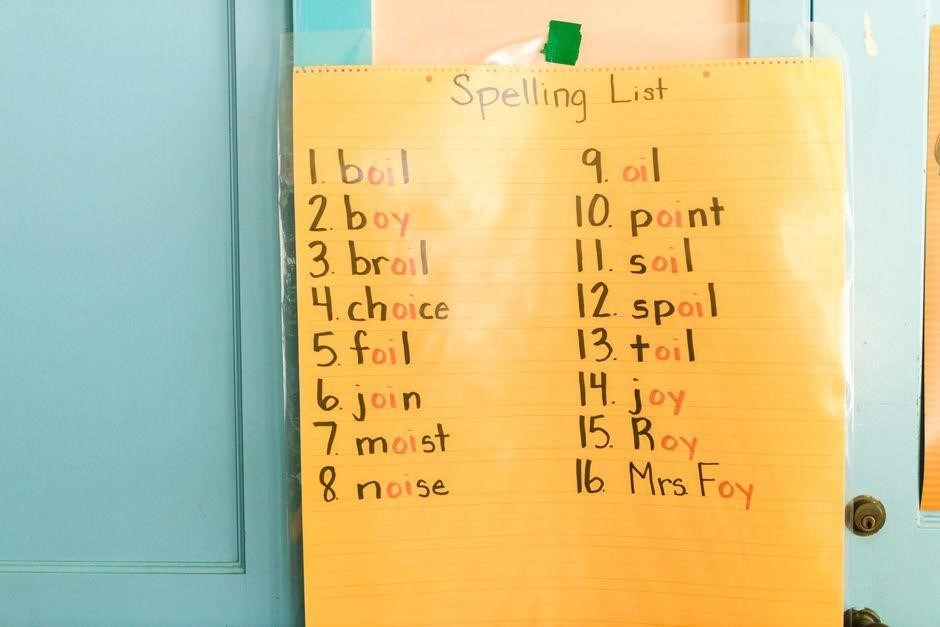
Phonics From A to Z PDF equips educators with a modular framework that can be adapted to diverse classroom contexts. Begin each unit by reviewing the “Core Phonics Concepts Covered” section, then select three to five key skills for the week. Use the built‑in lesson templates to scaffold activities: a warm‑up, a modeling phase, guided practice, and an independent application. The PDF’s “Instructional Strategies for Early Readers” section recommends multisensory approaches—visual flashcards, tactile letter tracing, and auditory phoneme drills to reinforce learning. Incorporate the printable “Sample Worksheets and Activities” as formative checks; the answer keys allow for rapid assessment. For pacing, the guide suggests a 45‑minute block: 10 minutes for introduction, 20 minutes for guided practice, and 15 minutes for independent work. Embed a brief “Progress Monitoring Checklist” at the end of each lesson to record student performance and identify misconceptions. Adjust instruction based on the checklist data, and schedule a weekly review session to consolidate skills. The PDF also offers a “Digital Resources and PDF Downloads” section where teachers can access interactive phonics games that align with the curriculum. Finally, document lesson outcomes in a shared online folder, tagging each PDF with the targeted phonics skill for easy retrieval during parent‑teacher conferences. pdf Teachers can also customize the PDF templates to match their branding, ensuring consistency across all instructional materials daily!

Student Engagement and Motivation Techniques
Use game‑based phonics challenges, reward charts, and peer‑reading circles to keep students excited. Offer short, interactive quizzes from the PDF’s printable worksheets, and celebrate correct decoding with stickers. Rotate activities weekly to sustain curiosity and mastery. pdf Engage daily! Keep fun
Alphabet Letter Recognition
Phonics From A to Z PDF provides a systematic approach to alphabet letter recognition, beginning with the first letter and progressing through the entire alphabet. The guide includes printable worksheets that list letters in alphabetical order, encouraging students to write each letter while associating it with its corresponding sound. By using the “Use the leers below to write the alphabet in the right order” exercise, learners practice sequencing letters, reinforcing memory through repetition. The PDF offers color‑coded charts that highlight uppercase and lowercase forms side by side, making visual comparison easy for early readers. Interactive activities such as matching games, letter‑sound bingo, and flashcard drills are embedded within the PDF, allowing teachers to create engaging, hands‑on lessons. Teachers can download the PDF and print the worksheets for classroom use or share them digitally with students for home practice. The resource also includes assessment checklists to track progress on letter recognition, ensuring that each student masters the alphabet before moving on to blending and decoding. By integrating these tools, educators foster confidence and foundational literacy skills essential for successful phonics instruction.
Students can practice letter recognition by tracing uppercase and lowercase letters in spiral everyday worksheets, reinforcing memory. The PDF also offers a printable alphabet bingo card that lets students match spoken letters with written ones, making learning fun
Consonant Sound Mastery
Phonics From A to Z PDF focuses on consonant sound mastery by presenting each consonant with its primary phoneme, contextual examples, and targeted practice activities. The resource offers a series of printable consonant‑sound worksheets that ask students to match letters to pictures, fill in missing sounds in simple words, and complete fill‑in‑the‑blank sentences. Each worksheet is color‑coded to highlight the consonant sound, making it easier for visual learners to associate the symbol with its sound. The PDF also includes a “Consonant Sound Bingo” sheet where students listen to a teacher’s pronunciation and mark the correct letter on their card, reinforcing auditory discrimination. For multisensory learners, the guide recommends tracing the consonant shape while saying the sound aloud, and using manipulatives such as letter tiles to build words. Teachers can download the PDF and print the activities for classroom use or distribute them digitally for home practice. Assessment checklists at the end of each consonant section allow educators to track mastery and identify students who need additional support. By integrating these tools, the guide supports systematic, evidence‑based instruction that builds a solid foundation for decoding and spelling. Students can practice consonant clusters by arranging letter tiles to form words like “black” or “train,” reinforcing the blending process. Additionally, the PDF offers a printable consonant sound chart that highlights minimal pairs, helping learners distinguish subtle phonemic differences such as /b/ vs /p/ and /d/ vs /t/ now.
Vowel Patterns and Blend Instruction
Phonics From A to Z PDF presents a systematic approach to vowel patterns, covering short, long, and mixed vowel sounds, as well as common vowel blends such as “ai,” “ea,” “oa,” and “ou.” Each section begins with a clear definition, followed by a list of representative words that illustrate the pattern in context. The PDF includes a series of printable worksheets that ask students to identify the vowel pattern in a word, match words to the correct vowel sound, and complete fill‑in‑the‑blank sentences that emphasize the blend. For example, a worksheet on the “ea” pattern presents words like “team,” “bread,” and “leaf,” prompting learners to underline the vowel and write a new word that follows the same pattern. The guide also offers a “Blend Builder” activity where students use letter tiles to create words that contain the target blend, reinforcing the concept of blending consonants and vowels. To support multisensory learning, the PDF recommends tracing the vowel shape while saying the sound aloud, and using a vowel chart that highlights minimal pairs such as “bit” vs. “beat” and “cot” vs. “coat.” Assessment checklists at the end of each vowel section allow teachers to monitor mastery and identify students who need additional practice. The resource is available for download as a PDF, making it easy to print or share digitally with students for at‑home reinforcement. By integrating these tools, the guide helps learners develop accurate decoding skills and a deeper understanding of how vowel patterns shape word meaning and pronunciation. Students can also use the PDF’s quizzes to self‑check understanding before moving on to more complex blends.
Multisensory Learning Activities
Phonics From A to Z PDF offers a rich array of multisensory strategies that cater to visual, auditory, kinesthetic, and tactile learners. The guide includes printable sandpaper letters for tracing, allowing students to feel the shape while saying the sound. It also provides magnetic consonant and vowel tiles that can be mixed and matched on a magnetic board to build words, reinforcing blending. For auditory reinforcement, the PDF suggests recording students’ pronunciations and playing them back for self‑assessment. The resource features a “Sound Hunt” worksheet where learners locate objects in the classroom that begin with a target phoneme, encouraging real‑world application. Additionally, the guide recommends using a rhythm‑based chant for vowel digraphs, turning the learning of “ai,” “ea,” and “oi” into a musical activity that engages memory. A “Move‑and‑Speak” exercise pairs physical movement—such as hopping for short “a” or marching for long “o”—with verbal repetition, linking motor patterns to phoneme recognition. For tactile engagement, the PDF offers a recipe for homemade “letter soup” where students dip letter‑shaped crackers into colored rice, then pick a cracker and read the sound aloud. Each activity is accompanied by a printable progress tracker that teachers can use to record student participation and mastery. By integrating these multisensory tools, the Phonics From A to Z PDF supports differentiated instruction and helps students build robust phonemic awareness that translates into fluent reading. The PDF also includes a “Phoneme Hopscotch” grid for saying sounds. It highlights an app that lets students drag letters to form words. Teachers are urged to rotate activities, reinforcing learning daily again.
Progress Monitoring Checklists
Phonics From A to Z PDF provides a checklist that tracks student mastery of each phoneme, blend, and decoding rule. The checklist is organized, with columns for “Sound Recognized,” “Word Decoded,” “Sentence Usage,” and “Teacher Comment.” Each row contains a prompt, such as “Can the student identify the /k/ sound in ‘cat’?” or “Does the student blend /sh/ + /a/ to form ‘sha’?!” Teachers can tick boxes after each lesson, ensuring that progress is documented in real time. The PDF also includes a “Growth Snapshot” section that aggregates weekly data, allowing educators to spot trends and adjust instruction accordingly. For formative assessment, the guide recommends using the “Phoneme Bingo” activity, where students mark a square each time they correctly identify a sound; the resulting bingo card is then reviewed against the checklist. The resource offers printable templates that can be scanned into a digital spreadsheet, facilitating quick analysis of class performance. Additionally, the PDF suggests a “Self‑Check” sheet for students to reflect on their own learning, fostering metacognition. The checklist is designed to align with national literacy benchmarks, ensuring that progress monitoring meets curriculum standards. By integrating these tools, teachers can provide targeted feedback, celebrate milestones, and maintain a clear record of each learner’s journey toward phonics fluency. This checklist also encourages peer review, where students exchange feedback and refine decoding skills!!!!!!!
Supplementary Digital Tools
The Phonics From A to Z PDF includes links to a suite of interactive digital tools that complement the printed worksheets. These tools range from phoneme‑drill apps, to animated consonant‑vowel blend games, to online progress dashboards that sync with the PDF checklists. Teachers can embed the PDF’s QR codes in lesson plans, allowing students to launch instant practice modules on tablets or laptops. The digital library offers a “Sound‑Spotting” tool where learners drag and drop letters to form words, reinforcing the phonics rules presented in the PDF. For assessment, the PDF’s companion app generates real‑time reports, highlighting mastery gaps and suggesting targeted activities. Parents can access a secure portal to view their child’s progress, ensuring home‑school alignment. The tools also support differentiated instruction: a “Slow‑Play” mode lets beginners repeat sounds at a lower speed, while advanced users can tackle “Speed‑Run” challenges. All resources are compatible with major learning management systems, and the PDF’s metadata includes accessibility tags for screen readers. By integrating these digital tools, educators can create a seamless, multimodal learning environment that extends the reach of the Phonics From A to Z PDF beyond the classroom.
The PDF also includes QR‑linked flashcards and a companion app that tracks phoneme mastery. Teachers can use the built‑in “Phonics Bingo” feature to reward accurate decoding. Parents receive a secure portal to monitor progress and access guided home activities. The resource links to peer‑reviewed research, ensuring evidence‑based instruction. By integrating these tools, classrooms can offer personalized, engaging phonics practice that scales with student growth and aids growth to!!